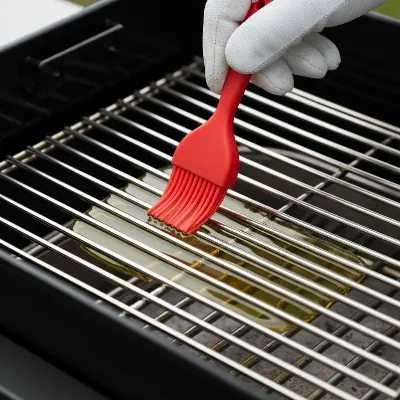
Embarking on a charcoal grilling adventure means facing a fundamental choice: lump charcoal or briquettes? This decision significantly impacts your cooking experience, from the intensity of the heat to the subtle flavors infused into your food. With over a decade of hands-on experience as an Admin at ReviewColon.com, I’ve tested countless grills and charcoal types, and I’m here to demystify the debate. This guide will equip you with the knowledge to select the perfect fuel for your next BBQ, ensuring every meal is a masterpiece.
Popular Types of Grilling Charcoal
The world of charcoal offers distinct options, each with unique characteristics that cater to different grilling styles and preferences. Understanding these foundational differences is key to mastering your grill.
Lump Charcoal
Lump charcoal is the purist’s choice, crafted by burning hardwood in a low-oxygen environment, a process known as pyrolysis. This results in irregularly shaped pieces of pure carbon, retaining the natural structure of the wood. It contains no additives, chemicals, or fillers, offering an unadulterated grilling experience.
- Advantages: Lump charcoal ignites rapidly, often reaching searing temperatures within 7 to 10 minutes. It burns significantly hotter than briquettes, making it ideal for high-heat searing and quick-cooking tasks. Its all-natural composition imparts a clean, authentic smoky flavor that enhances the taste of grilled foods. Furthermore, lump charcoal produces minimal ash, simplifying cleanup and maintaining optimal airflow in your grill. Its responsiveness to oxygen also allows for easier and quicker temperature adjustments.
- Disadvantages: Due to its natural, inconsistent shapes and sizes, lump charcoal can sometimes make even heat distribution challenging. It also tends to burn faster, often requiring more frequent refills during extended grilling sessions. Generally, lump charcoal is more expensive per bag than briquettes, reflecting its natural production process and lack of fillers.
- Best Suited For: Lump charcoal excels in situations requiring intense, quick heat, such as searing steaks, chops, or quick-grilling vegetables. It’s the preferred choice for those who prioritize natural flavors and enjoy fine-tuning their grill’s temperature. Kamado-style grills particularly benefit from lump charcoal’s high heat and low ash production.
|
Our Picks for the Best Charcoal Grill in 2026
As an Amazon Associate I earn from qualifying purchases.
|
||
| Num | Product | Action |
|---|---|---|
| 1 | Char-Griller® Patio Pro Charcoal Grill and Smoker with Cast Iron Grates, Premium Metal Shelf and Damper Control, 250 Cooking Square Inches in Black, Model 1616 |

|
| 2 | Weber Jumbo Joe Charcoal Grill, 18‑Inch, Black – Lightweight Portable Kettle BBQ Grill with Tuck‑N‑Carry® Lid Lock for Camping, Tailgating & Outdoor Cooking |
|
| 3 | Weber Original Kettle Charcoal Grill, 22-Inch, Black – Classic Outdoor BBQ Grill with One‑Touch™ Cleaning System & Precise Temperature Control Dampers |
|
| 4 | Weber Original Kettle Premium Charcoal Grill, 22-Inch, Black – Outdoor BBQ Grill with Built‑In Thermometer, Heat Control Dampers & One‑Touch™ Cleaning System |
|
| 5 | Char-Griller CG30040725 22-inch Kettle Charcoal Grill and Smoker - Steel, Black - 363 sq. in. Cooking Area |
|
| 6 | Barrel Charcoal Grill, Large Charcoal Grills with Side Shelf, Outdoor BBQ Grill,Perfect for Backyard Camping, Patio Parties, and Picnics |
|
| 7 | Charcoal Grill Outdoor BBQ Grill, Barrel Charcoal Grills with Side Table, with Nearly 500 Sq.In. Cooking Grid Area, Outdoor Backyard Camping Picnics, Patio and Parties, Black |
|
| 8 | Weber Original Kettle Charcoal Grill, 18-Inch, Black – Classic Outdoor BBQ Grill with One‑Touch™ Cleaning System & Precise Temperature Control Dampers |
|
| 9 | Royal Gourmet CD1824M 24-Inch Charcoal Grill, BBQ Smoker with Handle and Folding Table, Perfect for Outdoor Patio, Garden and Backyard Grilling, Black, Medium |
|
| 10 | Weber Original Kettle Premium Charcoal Grill, 22-Inch, Copper – Outdoor BBQ Grill with Built‑In Thermometer, Heat Control Dampers & One‑Touch™ Cleaning System |
|
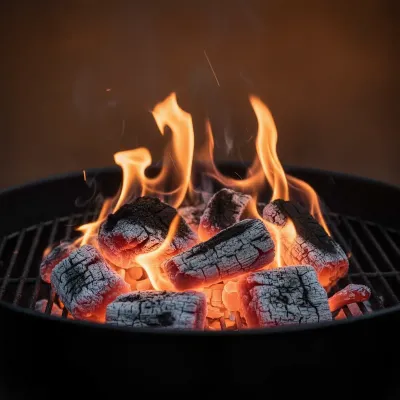 Lump charcoal burning intensely in a grill, ideal for searing steaks
Charcoal Briquettes
Charcoal briquettes are manufactured, uniform blocks typically made from compressed charcoal dust, sawdust, wood scraps, and other biomass by-products. These materials are combined with binders like cornstarch or clay, and sometimes additives such as limestone or sodium nitrate, designed to promote easier lighting and a more consistent burn.
- Advantages: Briquettes are celebrated for their uniform shape and size, which allows for predictable heat distribution and easier stacking. They offer a longer and more consistent burn time, making them excellent for low-and-slow cooking and smoking where stable temperatures are crucial. Briquettes are generally more affordable and widely available, offering a cost-effective solution for larger gatherings or frequent grilling.
- Disadvantages: Briquettes typically take longer to light, often requiring 20-30 minutes to reach optimal temperature. They burn at a cooler temperature than lump charcoal, which may not be ideal for searing. Many briquette brands contain additives and binders that, if not fully burned off, can impart an undesirable chemical taste or odor to your food. They also produce a significant amount of ash, necessitating more frequent grill cleaning.
- Best Suited For: Briquettes are the go-to choice for smoking briskets, ribs, pork shoulders, or any dish requiring a long, consistent, and moderate heat. Their extended burn time and predictable performance make them a reliable option for extended grilling sessions where maintaining a steady temperature is paramount.
Comparing Lump Charcoal and Briquettes
Deciding between lump charcoal and briquettes often comes down to understanding their fundamental differences and how they align with your grilling objectives. Here’s a comparative overview to help clarify your choice.
| Criteria | Lump Charcoal | Charcoal Briquettes |
|---|---|---|
| Composition | Pure carbonized hardwood, no additives | Compressed charcoal dust, binders, additives |
| Ignition Time | Quick (7-10 minutes) | Slower (20-30 minutes) |
| Heat Output | Hotter (700°C – 900°C), more variable | Cooler (300°C – 500°C), consistent |
| Burn Time | Shorter (30-60 minutes peak), requires refills | Longer (2-7+ hours), consistent heat |
| Flavor Impact | Clean, natural smoky flavor | Milder, potential chemical taste from additives |
| Ash Production | Minimal | Significant |
| Temperature Control | Easier, quick adjustments via airflow | Harder to adjust quickly, stable heat |
| Cost | Higher | Lower |
| Ideal For | Searing, quick grilling, natural flavor | Low-and-slow smoking, long cooks, consistent heat |
How to Choose Your Ideal Charcoal
Selecting the right charcoal isn’t just about price; it’s about matching the fuel to your specific grilling style and preferences. Consider these factors to make an informed decision for your outdoor cooking.
Assess Your Grilling Needs
Before reaching for a bag of charcoal, take a moment to consider how you typically grill. Do you frequently host large parties, or are your cookouts usually intimate family meals? If you’re grilling for a crowd, a consistent, long-burning fuel might be more practical. For a solo griller, speed and flavor might take precedence. Your budget also plays a role; while lump charcoal offers premium performance, briquettes can be more economical for routine use.
Material and Composition Considerations
The origin and composition of your charcoal heavily influence your grilling experience. Lump charcoal, made from pure hardwood, is celebrated for its clean burn and the absence of unwanted chemicals or fillers. This ensures that the smoky flavor infused into your food comes directly from the wood, providing a pure taste. In contrast, briquettes often contain binders and sometimes ignition additives. While many reputable brands minimize these, it’s worth seeking out high-quality briquettes that clearly state their ingredients to avoid any off-flavors, especially for sensitive foods like chicken or fish.
Size and Design
The physical characteristics of your charcoal impact its performance. Lump charcoal, with its varied sizes and irregular shapes, offers excellent airflow which contributes to its quick ignition and high heat. However, this inconsistency can sometimes lead to uneven cooking if not managed properly. Briquettes, on the other hand, are uniformly shaped, promoting a very consistent and predictable burn. This uniformity is particularly beneficial for maintaining steady temperatures over extended periods, crucial for smoking and slow roasting. Conversely, briquettes produce more ash than lump charcoal, which can accumulate and impede airflow if not cleaned regularly.
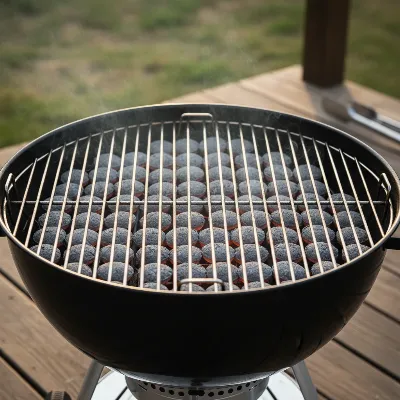 Uniform charcoal briquettes arranged for consistent, long-duration grilling
Brand and Cost
Investing in quality charcoal from a reputable brand can significantly elevate your grilling results. Established brands often have stricter quality control, ensuring better performance and fewer impurities, regardless of whether you choose lump or briquettes. While lump charcoal typically has a higher price point, its hot and fast burn might offer better value for quick meals. Briquettes, being generally cheaper, are economical for longer cooking durations. Always compare prices and read reviews to find a product that offers the best balance of quality, performance, and cost-effectiveness for your grilling habits.
Tips for Using and Storing Charcoal
Maximizing your charcoal’s performance and longevity involves more than just choosing the right type; it also includes proper handling and care.
Efficient Lighting Methods
For both lump charcoal and briquettes, a chimney starter is a game-changer. It concentrates the heat, allowing the coals to light quickly and evenly without the need for lighter fluid, which can impart chemical tastes. Simply fill the chimney, place some crumpled newspaper or a fire starter cube underneath, and light it. Within 10-20 minutes, your coals will be hot and ready to spread onto your grill. For those without a chimney, natural fire starters like tumbleweeds or newspaper combined with proper airflow can also get the job done effectively.
Post-Grill Cleaning
Once your grilling session is complete and the charcoal has fully cooled – always wait until it’s completely cold to the touch – cleaning your grill is crucial. Lump charcoal leaves behind very little ash, making cleanup quick and easy. Briquettes, however, produce a higher volume of ash, which should be removed regularly to prevent buildup that can restrict airflow and affect future cooks. Use a grill brush to clean grates and an ash tool to clear out the base of the grill. Ensuring your grill is clean not only prolongs its life but also prevents residual flavors from affecting your next meal.
Proper Storage for Longevity
The way you store your charcoal directly impacts its quality and readiness for your next BBQ. Charcoal is highly porous and will absorb moisture from the air, making it harder to light and less efficient. Always store charcoal in a dry, cool place, preferably in an airtight container or a heavy-duty, resealable bag. Avoid leaving bags on concrete floors, as moisture can seep through. If you have unburnt lump charcoal pieces left after a cook, they can often be reused. Simply let them cool completely, brush off any loose ash, and store them with your fresh charcoal.
“The true art of Charcoal Grilling lies not just in the ingredients you cook, but in understanding and respecting the fuel that brings your food to life.” – Admin, ReviewColon.com
Conclusion
Choosing between lump charcoal and briquettes is a fundamental decision for any griller, shaping the flavor, heat, and overall success of your BBQ. Lump charcoal offers a natural, high-heat, fast-burning experience with minimal ash and pure smoky flavor, ideal for searing and quick cooks. Briquettes, conversely, provide a consistent, long-lasting burn perfect for low-and-slow smoking, often at a more economical price point. Your ultimate choice hinges on your specific grilling style, flavor preferences, budget, and desired level of convenience.
Remember, both options have their merits, and many experienced grillers even keep both types on hand to suit various culinary needs. By considering the unique characteristics of each, you can confidently select the charcoal that best supports your grilling ambitions. Which type of charcoal will you choose to ignite your next delicious outdoor feast?
Frequently Asked Questions
Is lump charcoal a healthier option than briquettes?
Lump charcoal is generally considered the more natural option because it consists solely of carbonized hardwood without any additives or binders. This means it burns cleaner and is less likely to impart chemical flavors. Briquettes, while effective, often contain additional ingredients for consistency and burn time, which some prefer to avoid for a “purer” grilling experience.
Can I combine lump charcoal and briquettes?
Yes, you can absolutely combine lump charcoal and briquettes! Many experienced grillers use a mix to leverage the best of both worlds. For instance, you might start with lump charcoal for its quick ignition and high heat to sear, then add briquettes for their sustained, consistent temperature to finish cooking. This hybrid approach offers great versatility and control over your grill.
Why are lump charcoal products typically more expensive?
Lump charcoal is usually more expensive due to its all-natural composition and production process. It is made from whole pieces of hardwood through carbonization, which can be more labor-intensive and yield less product per volume compared to briquettes made from compressed charcoal dust and by-products. The absence of fillers also contributes to a higher material cost.
Can unused charcoal be stored and reused?
Yes, leftover unburnt charcoal, especially lump charcoal, can often be reused. Once your grill is completely cool, simply remove any unashed pieces, brush off loose debris, and store them in a dry, airtight container or bag. This practice helps conserve fuel and can extend the life of your charcoal supply, making your grilling more efficient and sustainable.
Which charcoal type is better for beginners?
For beginners, charcoal briquettes are often recommended due to their consistent shape and predictable, stable burn. This uniformity makes it easier to control temperatures and manage longer cooking sessions without as much guesswork. Lump charcoal, while offering quick temperature changes, can be more challenging for newcomers to regulate because of its irregular piece sizes and faster burn rate.