Safely shutting down a charcoal grill after cooking is essential to prevent fire hazards and ensure equipment longevity. The most recommended method is oxygen deprivation, which involves closing all vents and the lid, allowing coals to cool naturally over 24 to 48 hours. This process minimizes direct interaction with hot coals and often preserves unburnt charcoal for reuse. While water dousing can extinguish coals faster, it carries risks like steam burns and potential grill damage, making it suitable only for emergencies.
The Critical Importance of Safe Charcoal Grill Shutdown
Ensuring your charcoal grill is properly extinguished is more than just good practice; it’s a fundamental safety measure. Hot coals can retain heat for many hours, sometimes even days, creating a lingering fire hazard if not handled correctly. An improperly managed grill can ignite nearby combustibles, leading to devastating fires, especially when left unattended or stored improperly. Furthermore, attempting to move a grill with hot coals can result in severe burns or accidental tipping. By dedicating a few extra minutes to safe shutdown, you actively prevent potential accidents, protect your property, and contribute to a safer environment for everyone.
Method 1: The “Starve It” Approach (Oxygen Deprivation)
The most recommended and environmentally friendly method for extinguishing a charcoal grill is by depriving the coals of oxygen. This method allows the coals to slowly die out naturally, often leaving behind reusable charcoal. For charcoal grills buying guides on this site.
How to Execute the Oxygen Deprivation Method:
- Close All Vents and the Lid: Immediately after you finish cooking and have removed all food from the grill, close both the top and bottom vents completely. Simultaneously, secure the grill lid tightly. This action cuts off the oxygen supply that fuels the burning charcoal, initiating the cooling process. Many modern charcoal grills are designed to facilitate this process effectively.
- Allow Ample Cooling Time: Patience is key with this method. Depending on the amount of charcoal used and ambient conditions, it can take anywhere from 24 to 48 hours for the coals and ash to cool down completely. It is crucial to leave the grill undisturbed during this period.
- Ensure Coals are Cold: Before attempting to clean or move the grill, confirm that the charcoal and ash are entirely cool to the touch. Wearing heat-resistant gloves, gently stir the ash with a metal tool to check for any hidden embers. There should be no residual warmth.
Advantages:
- Safety: This is generally considered the safest method as it minimizes direct interaction with hot coals and reduces the risk of steam burns or ash dispersion.
- Charcoal Preservation: Unburnt charcoal pieces can often be salvaged and reused for your next grilling session, making it a cost-effective and resource-efficient option.
- Less Mess: Compared to water dousing, this method produces less mess, as it avoids creating a wet ash slurry.
Disadvantages:
- Time-Consuming: The significant cooling time required means you cannot quickly clean up or store your grill. It demands planning and leaving the grill in a safe, undisturbed location for an extended period.
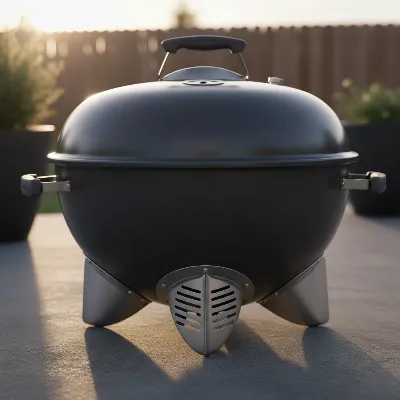 A charcoal grill with its lid closed and bottom vents shut, demonstrating the oxygen deprivation method for safe extinguishment after cooking.
Method 2: The “Water Extinguishment” Approach (When to Use Caution)
While oxygen deprivation is preferred, there are situations where you might need to extinguish your charcoal more quickly, such as when you need to move the grill or if unexpected weather arises. The water dousing method offers a faster solution but requires extreme caution due to potential hazards.
How to Execute the Water Extinguishment Method:
- Gather Supplies: Have a metal bucket filled with water and long-handled metal tongs or a charcoal scoop ready. Wear insulated, heat-resistant gloves and long sleeves to protect yourself from steam and splashes.
- Slow and Controlled Application: Do not dump a large volume of water onto hot coals. Instead, slowly and carefully sprinkle or pour small amounts of water over the charcoal while gently stirring them with your metal tool. This helps to evenly cool the coals and prevent large bursts of steam.
- Stir and Observe: Continue adding water and stirring until all embers are visibly extinguished and no steam is rising. The coals should be submerged in water or thoroughly saturated.
- Dispose of Ash Slurry: Once completely cool, the resulting wet ash slurry can be scooped into a metal container for disposal.
Advantages:
- Speed: This method extinguishes coals in minutes, allowing for much quicker cleanup and storage.
- Immediate Safety: In an emergency or if you need to leave the area quickly, it provides a fast way to eliminate the immediate fire risk from burning coals.
Disadvantages:
- Safety Risks: Pouring water on hot coals generates a significant amount of hot steam, which can cause severe burns. Splashing hot ash and water can also be hazardous.
- Grill Damage: Rapid temperature changes from dousing with water can warp or damage grill components, leading to rust and shortening the lifespan of your charcoal grill.
- Messy Cleanup: The mixture of water and ash creates a thick, dirty slurry that is more challenging to clean than dry ash.
- Charcoal is Unusable: Coals doused with water cannot be reused.
Comparison Table: Oxygen Deprivation vs. Water Dousing
| Feature | Oxygen Deprivation (Starve It) | Water Extinguishment (Douse It) |
|---|---|---|
| Speed | Slow (24-48 hours for full cooling) | Fast (minutes) |
| Safety Risk | Low (if left undisturbed, minimal contact needed) | Moderate (steam burns, hot splashes, grill damage) |
| Grill Impact | Minimal to none | Potential warping, rust, reduced lifespan |
| Mess Level | Low (dry ash) | High (wet ash slurry) |
| Charcoal Reusability | Partially preserves unburnt charcoal | Coals are destroyed and cannot be reused |
| Recommendation | Primary, preferred method for routine shutdown | Emergency use only, or when speed is critical, with extreme caution |
Disposing of Cooled Ash and Charcoal Safely
Once your charcoal and ash are completely cool—a process that can take up to 48 hours for the oxygen deprivation method—proper disposal is the next crucial step. Even seemingly cold ash can harbor latent embers, so always proceed with caution.
- Confirm Coals are Cold: This cannot be overstressed. Before touching any ash or charcoal, verify that it is entirely cold to the touch. Use heat-resistant gloves and a metal scoop to sift through the ash and ensure no residual heat remains.
- Use a Metal Container: Transfer the cooled ash and any spent charcoal into a dedicated metal container with a tight-fitting lid. An old metal coffee can, a galvanized steel bucket, or a designated ash pail are excellent choices.
- Avoid Flammable Containers: Never dispose of ash in plastic bags, cardboard boxes, or directly into a plastic trash can. These materials can easily ignite if any hot embers are still present, leading to a fire hazard.
- Placement of Disposal Container: Place the sealed metal container outdoors, away from any combustible materials, structures, or vegetation. It should remain there for at least 24 hours to eliminate any lingering doubt about heat.
- General Waste Disposal: After confirming the ash is thoroughly cold and has been safely stored in a metal container for a day, you can then transfer it (still in the metal container or wrapped in heavy-duty aluminum foil) to your regular outdoor trash receptacle for pickup.
- Composting and Gardening (with caution): If you use natural, additive-free lump charcoal, its ash can be beneficial for gardening, as it contains potassium and calcium, which can enrich soil and adjust pH levels. However, ash from briquettes often contains chemical additives that are not safe for plants or composting. Always test your soil’s pH before adding ash, and use it sparingly, avoiding acid-loving plants.
> “Always remember, patience is your best safety tool when dealing with cooling charcoal. A few extra hours of waiting can prevent years of regret.” – John Smith, Master Griller and Fire Safety Expert
Essential Safety Tips for Charcoal Grill Shutdown
Beyond the extinguishing methods, adhering to general safety practices is paramount during and after charcoal grilling. These tips help prevent accidents and ensure a safe environment for everyone.
- Never Leave Unattended: Do not leave a hot or smoldering charcoal grill unattended. Even when the coals appear to be dying down, they still pose a fire risk. Stay vigilant until you have initiated the extinguishing process.
- Maintain Safe Distance: Ensure your grill is positioned at a safe distance (at least 10-15 feet) from your home, deck railings, overhanging branches, or any other combustible materials. This clearance should be maintained throughout the grilling and cooling process.
- Keep Children and Pets Away: Establish a strict “no-go” zone (at least 3-5 feet) around the grill to keep children and pets safe from hot surfaces and embers. Even after cooking, the grill can remain dangerously hot.
- Do Not Move a Hot Grill: Resist the urge to move your grill until the coals are completely extinguished and cool. Moving a hot grill can lead to accidental tipping, spilling hot coals, and severe burns.
- Have a Fire Extinguisher Ready: Always have a fire extinguisher, a bucket of sand, or a garden hose within easy reach. Knowing how to use these in an emergency can make a significant difference.
- Wear Protective Gear: Use insulated, heat-resistant gloves when handling any part of the grill that may be hot, including the lid, vents, or when moving coals.
- Avoid Accelerants: Never use gasoline, kerosene, or any other flammable liquids besides approved charcoal starter fluid to light or revive coals. And never add starter fluid to an already lit or smoldering fire.
Post-Extinguishment Grill Care and Maintenance
Once your charcoal grill is completely cool and the ash has been safely disposed of, a little post-use care will keep your grill in top condition and ready for its next session.
- Clean the Grates: Remove the cooking grates and clean them thoroughly. Use a stiff grill brush to remove any cooked-on food residue. For stubborn spots, a mixture of warm water and dish soap can be effective. Rinse and dry completely to prevent rust.
- Empty the Ash Catcher: If your grill has an ash catcher, empty it regularly after each use, once the ash is completely cold. Accumulated ash can impede airflow and, if it gets wet, can turn into a corrosive paste that damages the grill’s interior.
- Inspect and Wipe Down: Periodically inspect the grill for any signs of wear or damage, such as rust on metal parts. Wipe down the exterior of the grill with a damp cloth to remove grease and dirt, then dry thoroughly.
- Protect from Elements: Store your charcoal grill in a dry, covered area, or use a weather-resistant grill cover. This protects it from rain, snow, and extreme temperatures, preventing rust and extending its lifespan. Applying a thin coat of cooking oil to metal components can also help prevent rust.
Proper care extends the life of your grill and ensures that it remains a safe and reliable tool for countless future barbecues.
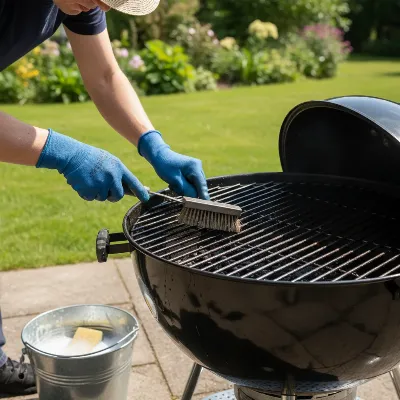 A person cleaning a cooled charcoal grill with a brush and water, emphasizing post-extinguishment maintenance.
Conclusion
Mastering the safe shutdown of your charcoal grill is an indispensable part of being a responsible and skilled grill master. By understanding the advantages and disadvantages of both the oxygen deprivation and water dousing methods, you can choose the appropriate technique for your situation, always prioritizing safety. Remember that waiting for coals to cool completely, using proper disposal containers, and adhering to essential safety guidelines are not merely recommendations but critical actions to prevent accidents. With a little diligence in extinguishing and routine maintenance, your charcoal grill will continue to provide memorable meals and enjoyable outdoor experiences for years to come. What are your favorite rituals for ensuring your grilling experience ends as safely and satisfyingly as it begins?
Frequently Asked Questions
How long does it take for charcoal to cool down completely?
|
Our Picks for the Best Charcoal Grill in 2026
As an Amazon Associate I earn from qualifying purchases.
|
||
| Num | Product | Action |
|---|---|---|
| 1 | Barrel Charcoal Grill, Large Charcoal Grills with Side Shelf, Outdoor BBQ Grill,Perfect for Backyard Camping, Patio Parties, and Picnics |

|
| 2 | Char-Griller CG30040725 22-inch Kettle Charcoal Grill and Smoker - Steel, Black - 363 sq. in. Cooking Area |
|
| 3 | Weber Original Kettle Premium Charcoal Grill, 22-Inch, Copper – Outdoor BBQ Grill with Built‑In Thermometer, Heat Control Dampers & One‑Touch™ Cleaning System |
|
| 4 | Weber Original Kettle Charcoal Grill, 22-Inch, Black – Classic Outdoor BBQ Grill with One‑Touch™ Cleaning System & Precise Temperature Control Dampers |
|
| 5 | Weber Jumbo Joe Charcoal Grill, 18‑Inch, Black – Lightweight Portable Kettle BBQ Grill with Tuck‑N‑Carry® Lid Lock for Camping, Tailgating & Outdoor Cooking |
|
| 6 | Weber Original Kettle Premium Charcoal Grill, 22-Inch, Black – Outdoor BBQ Grill with Built‑In Thermometer, Heat Control Dampers & One‑Touch™ Cleaning System |
|
| 7 | Weber Original Kettle Charcoal Grill, 18-Inch, Black – Classic Outdoor BBQ Grill with One‑Touch™ Cleaning System & Precise Temperature Control Dampers |
|
| 8 | Royal Gourmet CD1824M 24-Inch Charcoal Grill, BBQ Smoker with Handle and Folding Table, Perfect for Outdoor Patio, Garden and Backyard Grilling, Black, Medium |
|
| 9 | Charcoal Grill Outdoor BBQ Grill, Barrel Charcoal Grills with Side Table, with Nearly 500 Sq.In. Cooking Grid Area, Outdoor Backyard Camping Picnics, Patio and Parties, Black |
|
| 10 | Char-Griller® Patio Pro Charcoal Grill and Smoker with Cast Iron Grates, Premium Metal Shelf and Damper Control, 250 Cooking Square Inches in Black, Model 1616 |
|
When using the oxygen deprivation method (closing the lid and all vents), charcoal typically takes 24 to 48 hours to cool down completely. This duration ensures all embers are extinguished and the ash is cold to the touch, making it safe for disposal.
Can I pour water on a hot charcoal grill to put it out faster?
While pouring water can extinguish charcoal quickly, it is generally not recommended as the primary method. It creates hot steam that can cause severe burns, and the rapid temperature change can warp or damage your grill. Use this method cautiously, only when speed is absolutely necessary.
What is the safest way to dispose of charcoal ashes?
The safest way to dispose of charcoal ashes is to ensure they are completely cold (waiting 24-48 hours is ideal), then transfer them into a dedicated metal container with a tight-fitting lid. Place this container outdoors, away from combustibles, for at least 24 hours before transferring to your regular trash.
Can I reuse partially burned charcoal from my grill?
Yes, partially burned charcoal can often be reused if you use the oxygen deprivation method. Once the grill and coals are completely cool and dry, you can pick out the larger, unburnt pieces and store them with new charcoal for your next grilling session.
Is it safe to leave a charcoal grill unattended after cooking?
No, it is never safe to leave a charcoal grill unattended, even after cooking. Hot coals can retain heat and pose a fire risk for an extended period. Always stay with the grill until you have initiated a safe extinguishing process.
Frequently Asked Questions
How long does it take for charcoal to cool down completely?
When using the oxygen deprivation method, charcoal typically takes 24 to 48 hours to cool down completely. This duration ensures all embers are extinguished and the ash is cold to the touch, making it safe for disposal.
Is it safe to pour water on hot charcoal to extinguish it?
Pouring water on hot charcoal can extinguish it quickly, but it is generally not recommended as the primary method due to safety risks. It creates hot steam that can cause severe burns, and the rapid temperature change can warp or damage your grill components.
What is the safest way to dispose of charcoal ashes?
The safest way to dispose of charcoal ashes is to ensure they are completely cold, ideally waiting 24-48 hours. Then, transfer them into a dedicated metal container with a tight-fitting lid and place it outdoors, away from combustibles, for at least 24 hours before regular trash disposal.
Can partially burned charcoal be reused for future grilling?
Yes, partially burned charcoal can often be reused if you employ the oxygen deprivation method for shutdown. Once the grill and coals are completely cool and dry, you can pick out the larger, unburnt pieces and store them with new charcoal for your next grilling session.
Should I leave my charcoal grill unattended after cooking?
No, it is never safe to leave a charcoal grill unattended, even after cooking. Hot coals can retain heat and pose a fire risk for an extended period, sometimes days. Always stay with the grill until you have initiated a safe extinguishing process and confirmed coals are cold.
How to Safely Extinguish a Charcoal Grill
Learn two primary methods for safely extinguishing your charcoal grill after cooking: oxygen deprivation for routine shutdowns and water dousing for emergencies, ensuring safety and grill longevity.
Immediately after cooking, close both the top and bottom vents completely and secure the grill lid tightly. This cuts off the oxygen supply, initiating the cooling process for the charcoal.
For the oxygen deprivation method, allow 24 to 48 hours for the coals and ash to cool down completely. It is crucial to leave the grill undisturbed during this period to ensure all embers are extinguished.
Before attempting to clean or move the grill, confirm that the charcoal and ash are entirely cool to the touch. Wear heat-resistant gloves and gently stir the ash with a metal tool to check for any hidden embers or residual warmth.
Once completely cold, transfer the ash and spent charcoal into a dedicated metal container with a tight-fitting lid. Place this container outdoors, away from combustibles, for at least 24 hours before transferring to your regular trash receptacle.

The oxygen deprivation method works, but waiting 24-48 hours for the coals to cool completely feels like a long time. I get why it’s recommended for safety, but sometimes I need to pack up faster. I tried the water dousing once in a pinch, and while it was quick, the steam was no joke. Wish there was a faster, safer middle ground.
I’ve been grilling for years and honestly never thought much about the shutdown process beyond just letting it sit. The point about hot coals retaining heat for days was a real eye-opener. Now I’m much more diligent about closing everything up to prevent any lingering fire hazards. It’s a small change that makes a huge difference in safety.
I always worried about fire hazards after a BBQ, especially with kids and pets around. This guide really clarified the importance of a proper shutdown. I’ve been closing the lid and vents as suggested, and it’s given me peace of mind. It’s a simple step that makes a big difference in ensuring equipment longevity too.
I used to just leave my grill open and hope for the best, but after reading about oxygen deprivation, I’m a convert. Closing all the vents and the lid really does the trick. It’s so much safer and I love that it saves some of the unburnt charcoal for next time. Definitely makes grilling less of a hassle at the end of the night.