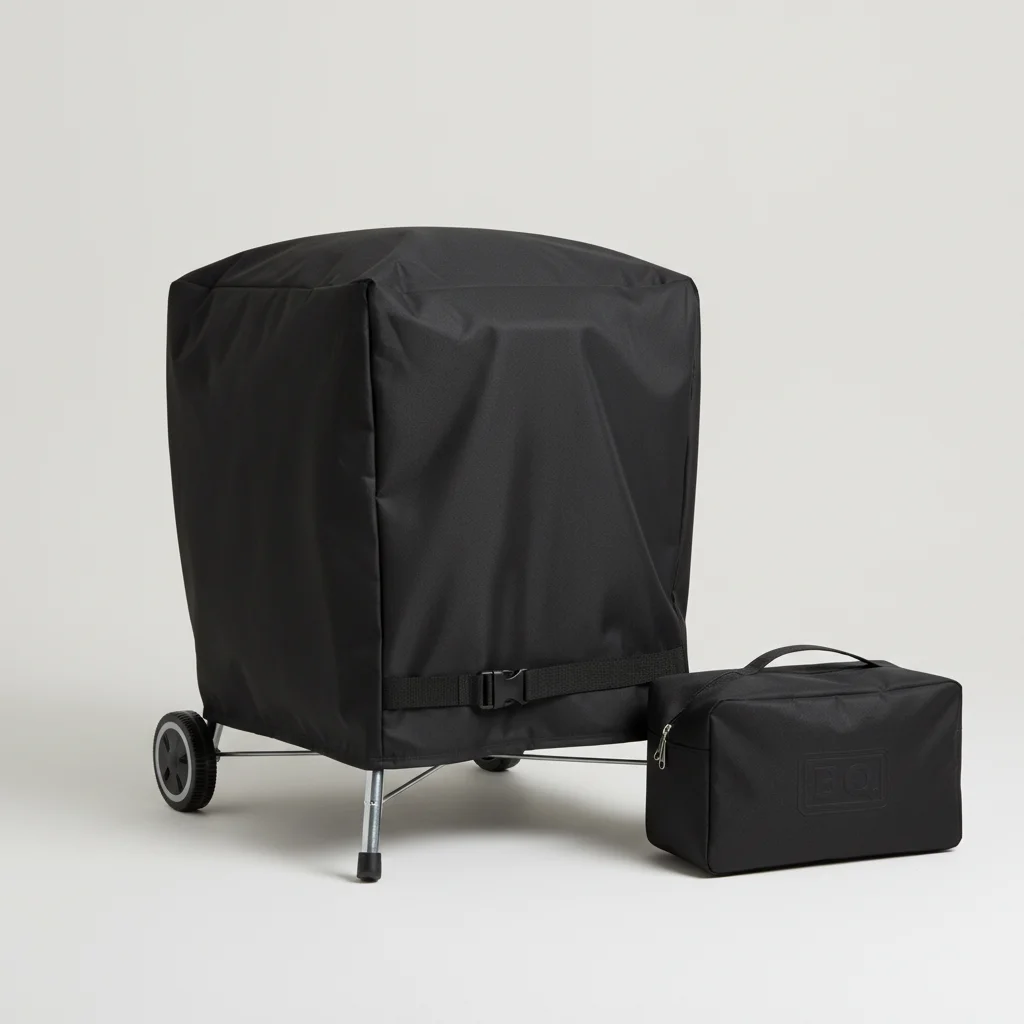
Proper charcoal grill storage is crucial for extending the lifespan of your outdoor cooking equipment and ensuring it’s ready for your next BBQ. There are four key considerations when storing your charcoal grill: location, cleanliness, covering, and internal protection. Addressing these aspects will safeguard your grill from rust, pests, and environmental damage, preserving its functionality and appearance for many seasons to come.
Choosing the Right Storage Location
The ideal storage location for your charcoal grill depends on your climate and available space. For year-round protection, a garage, shed, or covered patio is best. These areas shield the grill from direct rain, snow, and harsh UV rays, which can degrade materials over time. If indoor storage isn’t an option, select a spot that offers some natural overhead protection, such as under a sturdy awning or a large tree, though this should always be supplemented with a high-quality grill cover.
Thorough Cleaning Before Storage
Before storing your charcoal grill, a thorough cleaning is non-negotiable. Remove all ash from the ash catcher and the grill bowl. Scrape down the grates to remove any food residue and grease. A wire brush is effective for this. Wash the grates with warm, soapy water and rinse them completely. Ensure all components are completely dry before reassembling or covering the grill, as moisture is the primary catalyst for rust. Neglecting this step can lead to mold growth and attract pests during storage.
Selecting an Effective Grill Cover
|
Our Picks for the Best Charcoal Grill in 2026
As an Amazon Associate I earn from qualifying purchases.
|
||
| Num | Product | Action |
|---|---|---|
| 1 | Barrel Charcoal Grill, Large Charcoal Grills with Side Shelf, Outdoor BBQ Grill,Perfect for Backyard Camping, Patio Parties, and Picnics |

|
| 2 | Charcoal Grill Outdoor BBQ Grill, Barrel Charcoal Grills with Side Table, with Nearly 500 Sq.In. Cooking Grid Area, Outdoor Backyard Camping Picnics, Patio and Parties, Black |
|
| 3 | Weber Original Kettle Premium Charcoal Grill, 22-Inch, Copper – Outdoor BBQ Grill with Built‑In Thermometer, Heat Control Dampers & One‑Touch™ Cleaning System |
|
| 4 | Char-Griller CG30040725 22-inch Kettle Charcoal Grill and Smoker - Steel, Black - 363 sq. in. Cooking Area |
|
| 5 | Weber Original Kettle Charcoal Grill, 18-Inch, Black – Classic Outdoor BBQ Grill with One‑Touch™ Cleaning System & Precise Temperature Control Dampers |
|
| 6 | Weber Original Kettle Premium Charcoal Grill, 22-Inch, Black – Outdoor BBQ Grill with Built‑In Thermometer, Heat Control Dampers & One‑Touch™ Cleaning System |
|
| 7 | Royal Gourmet CD1824M 24-Inch Charcoal Grill, BBQ Smoker with Handle and Folding Table, Perfect for Outdoor Patio, Garden and Backyard Grilling, Black, Medium |
|
| 8 | Char-Griller® Patio Pro Charcoal Grill and Smoker with Cast Iron Grates, Premium Metal Shelf and Damper Control, 250 Cooking Square Inches in Black, Model 1616 |
|
| 9 | Weber Original Kettle Charcoal Grill, 22-Inch, Black – Classic Outdoor BBQ Grill with One‑Touch™ Cleaning System & Precise Temperature Control Dampers |
|
| 10 | Weber Jumbo Joe Charcoal Grill, 18‑Inch, Black – Lightweight Portable Kettle BBQ Grill with Tuck‑N‑Carry® Lid Lock for Camping, Tailgating & Outdoor Cooking |
|
A durable, weather-resistant grill cover is your first line of defense against the elements. Look for covers made from heavy-duty polyester or vinyl with UV protection and waterproof coatings. Ensure the cover fits snugly but not too tightly, allowing for some airflow to prevent condensation buildup. Some covers feature vents or adjustable straps for a secure fit in windy conditions. Investing in a good cover will prevent fading, cracking, and rust, especially if your grill is stored outdoors.
Internal Protection and Pest Prevention
Beyond external covering, consider internal protection for your charcoal grill. If storing for an extended period, you might place moisture absorbers inside the grill bowl to combat humidity. For pest prevention, ensure all openings are sealed as much as possible. You can place cedar blocks or dryer sheets inside the grill to deter insects and rodents. Always remove any remaining charcoal or wood chips, as these can attract unwanted guests. Regularly check on your stored grill, especially during periods of high humidity or extreme weather, to ensure its continued protection.
- Clean all ash and food residue thoroughly.
- Ensure all grill components are completely dry before storage.
- Use a high-quality, weather-resistant grill cover.
- Store in a sheltered location like a garage or shed if possible.
- Consider moisture absorbers and pest deterrents for long-term storage.
Maintaining Your Grill During Off-Season
Even when stored, your charcoal grill benefits from occasional checks. If you live in a region with significant temperature fluctuations, condensation can still occur. Briefly uncover the grill on a dry, sunny day to air it out. Inspect for any signs of rust or pest activity. Applying a light coat of cooking oil to cast iron grates before storage can also provide an extra layer of rust protection. By following these comprehensive storage practices, your charcoal grill will remain in prime condition, ready to deliver delicious meals whenever grilling season returns.

Keeping my grill clean before storing it has been a game-changer. I used to just let the gunk build up, and it attracted all sorts of critters. Now, after every few uses, I give it a thorough cleaning, especially before putting it away for longer periods. No more spiderwebs or weird smells when I pull it out for the next cookout!
I appreciate the advice on location, but I don’t have a garage or shed, and my patio isn’t covered. I tried using a tarp under a tree, but it still gets pretty wet sometimes. It’s hard to find a truly protected spot without a dedicated indoor space. The cover helps, but I wish there were more options for those of us with limited outdoor-only storage.
The tips on internal protection were really helpful. I never thought about cleaning out all the ash and grease before storing it for winter. I always just threw a cover on it. Now I make sure to give it a good scrub down and even put some desiccant packets inside the firebox. My grill definitely seems to be holding up better against rust.
I used to just leave my grill out on the patio, uncovered, and it rusted out way too fast. After reading about proper storage, I finally invested in a good, heavy-duty cover and started keeping it under our covered patio. It’s made a huge difference! My new Weber is staying pristine, even through the rainy season. Definitely worth the extra effort to protect it.