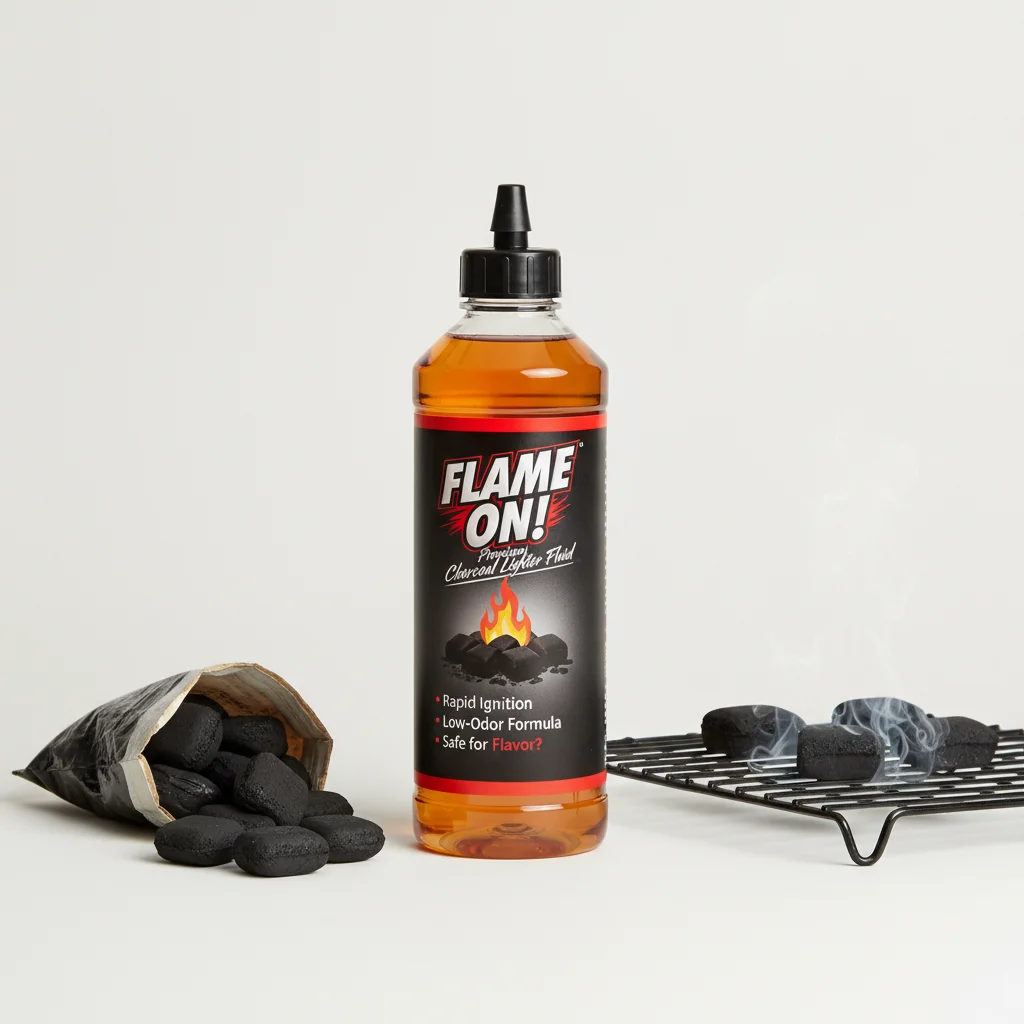
Many grill masters wonder if using lighter fluid on their charcoal grill impacts the taste of their food. The short answer is yes, lighter fluid can impart an unpleasant chemical taste to your grilled items if not used correctly or if too much is applied. This is primarily due to the petroleum distillates present in most lighter fluid formulations, which can linger and transfer to food if they haven’t fully burned off before cooking begins. To avoid this, it’s crucial to allow the fluid to completely burn away and the charcoal to ash over before placing any food on the grates.
Understanding Lighter Fluid Composition and Its Impact
Standard charcoal lighter fluids are typically made from petroleum-based hydrocarbons. These chemicals are designed to ignite quickly and sustain a flame long enough to get your charcoal burning. While effective, the fumes and residues from these compounds can be absorbed by porous charcoal. If you start cooking too soon, these unburnt chemicals can vaporize and settle on your food, leading to a distinct, off-putting flavor that masks the natural smoky goodness you’re aiming for. This is why many purists advocate for alternative lighting methods. For explore our charcoal grills reviews on this site.
Best Practices for Using Lighter Fluid Safely
If you choose to use lighter fluid, adherence to best practices is essential to minimize flavor contamination. First, use only the recommended amount; over-saturating charcoal is a common mistake. Second, apply the fluid to unlit charcoal and wait a minute or two for it to soak in before igniting. Most importantly, allow ample time for the fluid to burn off completely. This means waiting until the flames from the lighter fluid have died down and the charcoal briquettes or lumps are covered in a significant layer of white or gray ash. This visual cue indicates that the petroleum distillates have largely combusted, reducing the risk of flavor transfer.
Alternatives to Lighter Fluid for Pure Flavor
|
Our Picks for the Best Charcoal Grill in 2026
As an Amazon Associate I earn from qualifying purchases.
|
||
| Num | Product | Action |
|---|---|---|
| 1 | Charcoal Grill Outdoor BBQ Grill, Barrel Charcoal Grills with Side Table, with Nearly 500 Sq.In. Cooking Grid Area, Outdoor Backyard Camping Picnics, Patio and Parties, Black |

|
| 2 | Char-Griller® Patio Pro Charcoal Grill and Smoker with Cast Iron Grates, Premium Metal Shelf and Damper Control, 250 Cooking Square Inches in Black, Model 1616 |
|
| 3 | Weber Original Kettle Premium Charcoal Grill, 22-Inch, Black – Outdoor BBQ Grill with Built‑In Thermometer, Heat Control Dampers & One‑Touch™ Cleaning System |
|
| 4 | Weber Original Kettle Charcoal Grill, 18-Inch, Black – Classic Outdoor BBQ Grill with One‑Touch™ Cleaning System & Precise Temperature Control Dampers |
|
| 5 | Char-Griller CG30040725 22-inch Kettle Charcoal Grill and Smoker - Steel, Black - 363 sq. in. Cooking Area |
|
| 6 | Weber Original Kettle Charcoal Grill, 22-Inch, Black – Classic Outdoor BBQ Grill with One‑Touch™ Cleaning System & Precise Temperature Control Dampers |
|
| 7 | Weber Original Kettle Premium Charcoal Grill, 22-Inch, Copper – Outdoor BBQ Grill with Built‑In Thermometer, Heat Control Dampers & One‑Touch™ Cleaning System |
|
| 8 | Barrel Charcoal Grill, Large Charcoal Grills with Side Shelf, Outdoor BBQ Grill,Perfect for Backyard Camping, Patio Parties, and Picnics |
|
| 9 | Weber Jumbo Joe Charcoal Grill, 18‑Inch, Black – Lightweight Portable Kettle BBQ Grill with Tuck‑N‑Carry® Lid Lock for Camping, Tailgating & Outdoor Cooking |
|
| 10 | Royal Gourmet CD1824M 24-Inch Charcoal Grill, BBQ Smoker with Handle and Folding Table, Perfect for Outdoor Patio, Garden and Backyard Grilling, Black, Medium |
|
For those who prioritize pure, unadulterated grilled flavor, several excellent alternatives to lighter fluid exist. Chimney starters are a popular choice, using newspaper or a fire starter cube to ignite charcoal quickly and efficiently without any chemical additives. Electric charcoal starters offer a flameless and chemical-free way to get coals hot. Natural fire starters, made from wood shavings or other organic materials, also provide a clean burn. These methods ensure that the only flavors reaching your food are from the charcoal and your ingredients.
When to Avoid Lighter Fluid Entirely
There are specific scenarios where avoiding lighter fluid is highly recommended. If you are grilling delicate foods like fish or vegetables, which are more susceptible to absorbing off-flavors, opt for a chemical-free lighting method. Similarly, if you are using high-quality lump charcoal, which is prized for its natural wood flavor, you wouldn’t want to compromise that with lighter fluid. For low-and-slow smoking, where food spends extended periods over the coals, any lingering chemical residue could significantly impact the final taste. Always prioritize the integrity of your food’s flavor profile.
Tips for Ensuring a Clean Burn and Optimal Flavor
- Always use lighter fluid sparingly, following manufacturer instructions.
- Wait until charcoal is fully ashed over before adding food.
- Consider a chimney starter for a chemical-free ignition.
- Never add lighter fluid to already lit coals.
- Store lighter fluid safely away from heat sources.
By understanding the potential impact of lighter fluid and employing careful lighting techniques, you can still achieve delicious results. However, for the purest flavor and peace of mind, exploring alternative ignition methods is often the preferred route for many charcoal grilling enthusiasts. The goal is always to let the natural smoky flavors of the charcoal and your ingredients shine through, creating a memorable culinary experience.

This really confirmed my suspicions! I always thought my burgers had a weird undertone when I used a lot of lighter fluid. Now I make sure to give it plenty of time to burn off and for the charcoal to ash over. It makes a huge difference in the final taste, especially for things like corn on the cob that really soak up flavors.
I appreciate the info on how lighter fluid can affect flavor. I’ve always been a fan of how quickly it gets the grill going, but I do notice a slight off-taste sometimes, especially with more delicate foods like fish. I’m trying to let it burn longer, but it’s a bit of a hassle when I’m in a hurry. Might need to look into a chimney starter.
Good breakdown of why lighter fluid can mess with your food. I’ve been experimenting with using less fluid and letting it sit longer before cooking. It’s a small change but I can tell the difference, especially with ribs. No more of that faint chemical smell when I’m eating. Definitely worth the extra few minutes of waiting.
I used to just douse my briquettes and light ’em up, but after reading about the petroleum distillates, I’ve been way more careful. I let the fluid burn off completely and the coals get fully ashed over before putting anything on. My chicken wings definitely taste cleaner now, without that weird chemical aftertaste I sometimes got before.