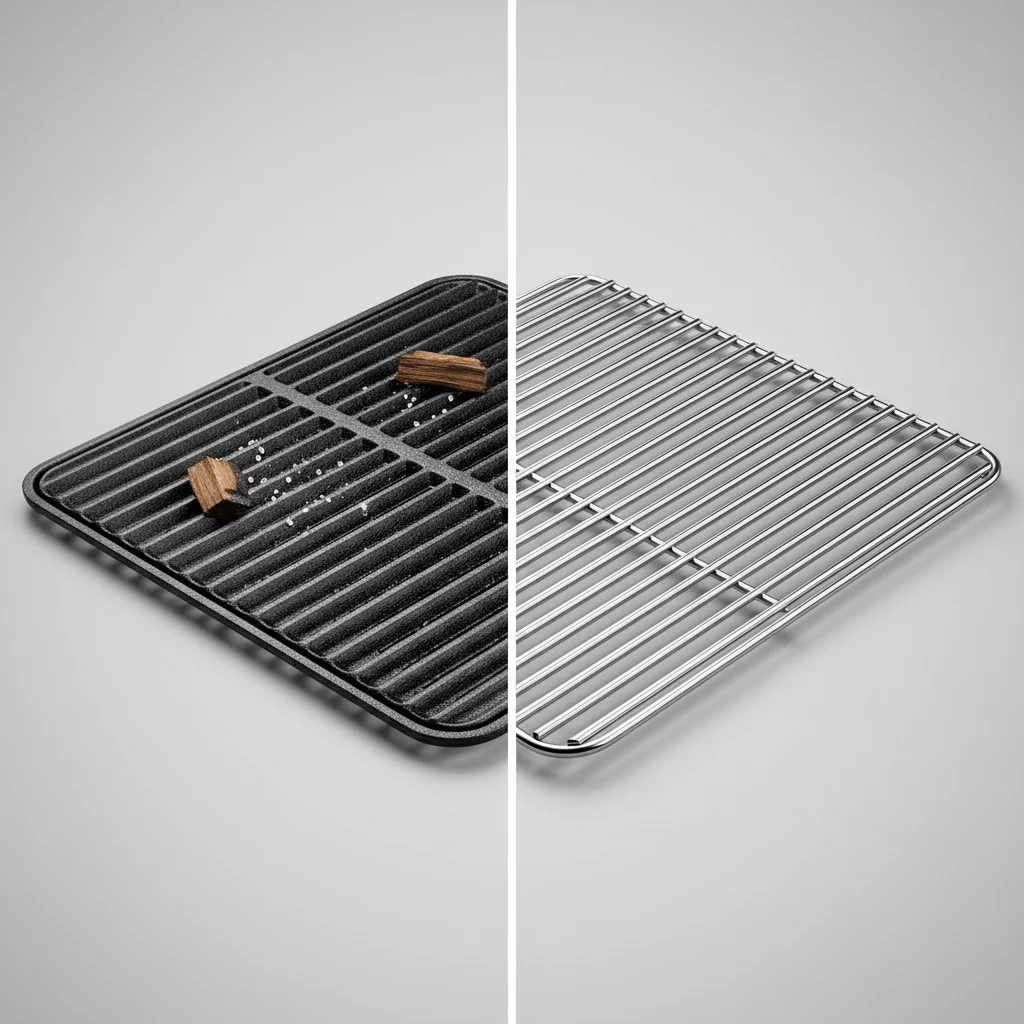
Choosing the right charcoal grill grates significantly impacts your grilling experience, from heat retention to ease of cleaning. When comparing cast iron and stainless steel, cast iron grates generally offer superior heat retention and searing capabilities, while stainless steel provides excellent durability and rust resistance. Each material presents distinct advantages for different types of grillers and cooking styles.
The Searing Power of Cast Iron Grates
Cast iron grill grates are renowned for their ability to hold and distribute heat evenly, creating those coveted sear marks on steaks and burgers. This material excels at high-temperature cooking, making it a favorite among those who prioritize a perfect crust on their meats. However, cast iron requires regular seasoning to prevent rust and maintain its non-stick properties. Proper care involves cleaning after each use and applying a thin layer of cooking oil.
The thermal mass of cast iron means it takes longer to heat up, but once hot, it maintains a consistent temperature, even when cold food is placed on it. This stability is crucial for achieving uniform cooking and professional-grade searing. Many pitmasters swear by cast iron for its ability to impart a unique flavor to food, often attributed to the seasoned surface.
Durability and Low Maintenance of Stainless Steel Grates
Stainless steel grill grates are a popular choice due to their excellent corrosion resistance and minimal maintenance requirements. Unlike cast iron, stainless steel does not rust easily and typically doesn’t require seasoning. This makes them a convenient option for grillers who prefer a more hands-off approach to grate care. They are also lighter than cast iron, making them easier to handle and clean.
While stainless steel doesn’t retain heat as effectively as cast iron, high-quality stainless steel grates can still provide good searing, especially those with thicker rods. Their smooth surface also makes them less prone to food sticking, and they are generally dishwasher safe, though hand washing is often recommended to preserve their finish.
Hybrid Grate Systems: The Best of Both Worlds?
|
Our Picks for the Best Charcoal Grill in 2026
As an Amazon Associate I earn from qualifying purchases.
|
||
| Num | Product | Action |
|---|---|---|
| 1 | Weber Jumbo Joe Charcoal Grill, 18‑Inch, Black – Lightweight Portable Kettle BBQ Grill with Tuck‑N‑Carry® Lid Lock for Camping, Tailgating & Outdoor Cooking |

|
| 2 | Weber Original Kettle Charcoal Grill, 22-Inch, Black – Classic Outdoor BBQ Grill with One‑Touch™ Cleaning System & Precise Temperature Control Dampers |
|
| 3 | Char-Griller® Patio Pro Charcoal Grill and Smoker with Cast Iron Grates, Premium Metal Shelf and Damper Control, 250 Cooking Square Inches in Black, Model 1616 |
|
| 4 | Char-Griller CG30040725 22-inch Kettle Charcoal Grill and Smoker - Steel, Black - 363 sq. in. Cooking Area |
|
| 5 | Weber Original Kettle Premium Charcoal Grill, 22-Inch, Black – Outdoor BBQ Grill with Built‑In Thermometer, Heat Control Dampers & One‑Touch™ Cleaning System |
|
| 6 | Charcoal Grill Outdoor BBQ Grill, Barrel Charcoal Grills with Side Table, with Nearly 500 Sq.In. Cooking Grid Area, Outdoor Backyard Camping Picnics, Patio and Parties, Black |
|
| 7 | Weber Original Kettle Charcoal Grill, 18-Inch, Black – Classic Outdoor BBQ Grill with One‑Touch™ Cleaning System & Precise Temperature Control Dampers |
|
| 8 | Barrel Charcoal Grill, Large Charcoal Grills with Side Shelf, Outdoor BBQ Grill,Perfect for Backyard Camping, Patio Parties, and Picnics |
|
| 9 | Royal Gourmet CD1824M 24-Inch Charcoal Grill, BBQ Smoker with Handle and Folding Table, Perfect for Outdoor Patio, Garden and Backyard Grilling, Black, Medium |
|
| 10 | Weber Original Kettle Premium Charcoal Grill, 22-Inch, Copper – Outdoor BBQ Grill with Built‑In Thermometer, Heat Control Dampers & One‑Touch™ Cleaning System |
|
Some charcoal grills offer hybrid grate systems, combining the benefits of both cast iron and stainless steel. This might involve a main cooking area with cast iron for searing and a warming rack or secondary zone with stainless steel for versatility. These systems aim to provide the best of both worlds, allowing grillers to achieve excellent searing while also benefiting from the ease of maintenance of stainless steel components. Consider your primary grilling needs when evaluating such systems.
- Cast iron for superior searing and heat retention.
- Stainless steel for rust resistance and easy cleaning.
- Thicker grate rods improve heat transfer and durability.
- Proper cleaning extends the life of any grate material.
- Consider material weight for ease of handling.
Cleaning and Maintenance for Longevity
Regardless of the material, proper cleaning and maintenance are crucial for extending the life of your charcoal grill grates. For cast iron, always scrape off food residue while the grates are still warm, then wash with hot water and a stiff brush. Dry thoroughly and apply a thin layer of cooking oil to prevent rust. For stainless steel, a good scrub with a grill brush after cooking, followed by a wash with soap and water, is usually sufficient. Avoid abrasive cleaners that can scratch the surface.
Which Grate Material is Right for You?
The choice between cast iron and stainless steel charcoal grill grates ultimately depends on your grilling priorities. If you’re a dedicated sear-master who doesn’t mind a bit of extra maintenance, cast iron will likely be your preferred choice for its exceptional heat retention and ability to create a perfect crust. If you value convenience, rust resistance, and easier cleaning, stainless steel grates offer a durable and reliable option. Many experienced grillers find that having both types, perhaps in different grills or as interchangeable accessories, provides the most versatility for a wide range of cooking tasks.

I tried cast iron grates for a while, hoping for those amazing sear marks, but the constant seasoning was a bit much. I found myself forgetting to do it, and then dealing with rust was a pain. The flavor was good when they were properly maintained, but the upkeep just wasn’t for me in the long run.
Switched to stainless steel grates a few months ago after my old cast iron ones finally gave out. The durability and rust resistance are a huge plus for me since I leave my grill outside year-round. While I miss some of that intense sear, the ease of cleaning makes up for it. Great for everyday grilling.
I’ve always been a fan of cast iron for its searing power, and this post really solidified why. My steaks have never looked better with those perfect grill marks. The heat retention is just unmatched, especially when I’m doing a big batch of burgers. Definitely worth the extra effort for seasoning.
My husband and I debated between cast iron and stainless steel for ages. We went with cast iron, and I’m so glad we did. The even heat distribution is fantastic for everything from chicken to veggies. It really makes a difference in the overall cooking experience.