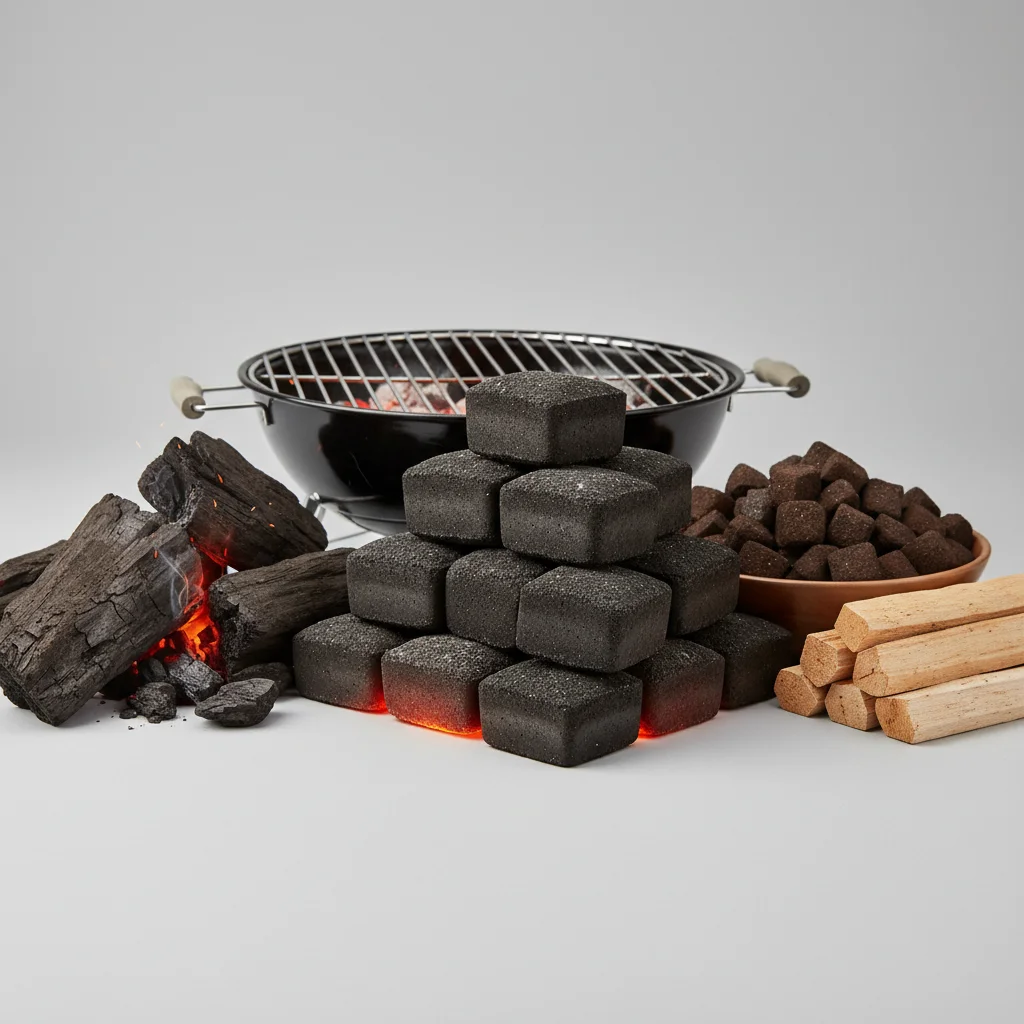
Choosing the right charcoal grill fuel is crucial for achieving optimal cooking temperatures and flavor. When it comes to burning hottest, lump charcoal consistently outperforms briquettes, reaching temperatures upwards of 1000°F (538°C) in a controlled environment, significantly higher than the typical 700-800°F (371-427°C) range for briquettes. This difference is due to lump charcoal’s purer carbon content and irregular shapes, which allow for better airflow and more efficient combustion.
Understanding Lump Charcoal’s Heat Advantage
Lump charcoal is essentially wood that has been burned in a low-oxygen environment, removing water and other volatile compounds, leaving behind nearly pure carbon. This natural composition means it ignites faster and burns hotter than briquettes. Its irregular shapes create natural air pockets within the charcoal bed, promoting excellent airflow. This increased oxygen supply fuels a more intense and rapid combustion, leading to higher peak temperatures. Additionally, lump charcoal typically produces less ash, making cleanup easier.
The Role of Briquettes in Grilling
While briquettes don’t reach the same peak temperatures as lump charcoal, they offer a more consistent and longer burn time. Briquettes are made from compressed charcoal dust, binders (like starch), and sometimes other additives. These binders contribute to a slower, more even burn, which is ideal for longer cooking sessions or smoking. The uniform shape of briquettes allows for predictable stacking and heat distribution, making them a favorite for those who prioritize stability over extreme heat. However, the additives can sometimes impart a slight chemical odor or taste if not properly lit and allowed to ash over.
Specialty Charcoal Fuels and Their Heat Profiles
Beyond standard lump charcoal and briquettes, several specialty fuels offer unique heat characteristics. Hardwood lump charcoal, derived from specific wood types like oak or hickory, can burn hotter and longer than generic lump charcoal, while also imparting distinct smoky flavors. Coconut shell briquettes are another option, known for their very long burn times and minimal ash production, though their peak temperatures are generally comparable to traditional briquettes. Some brands also offer competition-grade briquettes designed for higher heat output and longer duration, often with fewer additives.
Factors Influencing Charcoal Burn Temperature
Several factors beyond the type of charcoal itself influence the actual temperature achieved in your grill. Airflow is paramount; a well-ventilated grill with open vents will allow more oxygen to reach the coals, resulting in a hotter burn. The amount of charcoal used directly correlates with the heat generated – more charcoal means more heat. The design of your grill, including its insulation and vent placement, also plays a significant role in heat retention and distribution. Finally, ambient weather conditions, such as wind and outside temperature, can affect how quickly charcoal burns and how much heat is lost.
- Ensure adequate airflow by keeping grill vents open.
- Use a charcoal chimney starter for even ignition.
- Layer charcoal for desired heat zones (direct vs. indirect).
- Monitor internal grill temperature with a reliable thermometer.
- Consider the type of food you’re cooking when selecting fuel.
Choosing the Right Fuel for Your Cook
The

I’ve always used briquettes, but after reading about lump charcoal’s heat advantage, I decided to give it a try. The difference is incredible! My grill got so much hotter, and my steaks had a perfect sear. It really does ignite faster too, which is a huge plus when you’re hungry.
I’m a big fan of high-heat grilling for certain foods, and the mention of lump charcoal reaching 1000°F really caught my eye. I tested it out, and while I didn’t measure the exact temp, my grill was definitely roaring. It made a huge difference for my pizza stone on the grill. Highly recommend for anyone looking for serious heat.
This was really helpful in understanding why lump charcoal burns hotter. I used to think all charcoal was pretty much the same. The explanation about the purer carbon content and irregular shapes making a difference in airflow totally makes sense now. My ribs came out great last weekend with the new lump charcoal.
I tried the lump charcoal as suggested for higher temps, and while it definitely got hotter than my usual briquettes, I found it burned through a bit too quickly for my longer cooks. I had to add more fuel mid-way, which was a bit of a hassle. Good for quick searing, but maybe not for a full brisket.