The eternal debate among barbecue enthusiasts rages on: gas or charcoal? As an experienced technician with over a decade in the grilling world, I’ve seen countless models, from the simplest charcoal kettles to the most advanced gas behemoths. Choosing the right grill hinges on various factors, including your lifestyle, desired flavor, and budget. This comprehensive guide will dissect the advantages and disadvantages of both gas and charcoal grills, delve into popular charcoal grill types, offer a detailed buying guide, and share essential usage and maintenance tips to help you make an informed decision and ignite your perfect barbecue experience in 2026.
Gas Grills: The Convenience King
Gas grills are celebrated for their unparalleled convenience and ease of use, making them a popular choice for busy individuals and spontaneous cooks. They ignite instantly with the push of a button, heating up quickly to your desired temperature, which can be precisely controlled with individual burner knobs. This rapid setup means less waiting and more grilling, perfect for weeknight dinners or impromptu gatherings. Cleaning is also generally simpler; there’s no ash to dispose of, and excess grease often drains into a removable drip pan. However, this convenience comes at a cost, both in terms of initial investment and often a slightly less robust, smoky flavor compared to charcoal.
Charcoal Grills: For the Flavor Enthusiast
For many, nothing beats the distinct, smoky flavor imparted by charcoal grilling. The intense heat and burning wood (or charcoal) create a unique char and depth of flavor that gas grills often struggle to replicate, even with smoker boxes. Charcoal grills typically reach higher searing temperatures, ideal for achieving that perfect crust on steaks and burgers. They are also often more affordable to purchase and, in their simpler forms, incredibly portable, making them excellent companions for camping trips or picnics. The trade-offs include longer preheating times, messier cleanup due to ash, and a steeper learning curve for temperature management.
Popular Types of Charcoal Grills
Charcoal grilling encompasses a variety of designs, each offering distinct advantages for different grilling styles and preferences. Understanding these types can help narrow down your choice, whether you prioritize smoke reduction, precise heat control, or portability. From compact models for intimate settings to larger units for big gatherings, there’s a charcoal grill designed to fit almost any grilling need and space.
Smokeless Charcoal Grills
Smokeless charcoal grills are engineered to minimize the smoke output, making them ideal for urban environments like apartments or balconies where traditional smoky grills might not be welcome. They often achieve this through innovative designs that promote efficient airflow and contain the charcoal in a sealed compartment, reducing flare-ups and airborne ash.
- Pros: Significantly reduced smoke, often more compact and portable, safer for indoor or limited outdoor spaces.
- Cons: Higher price point than conventional charcoal grills, requires more diligent cleaning to maintain efficiency.
- Suitable for: Apartment dwellers, small patios, areas with strict smoke regulations.
|
Our Picks for the Best Charcoal Grill in 2026
As an Amazon Associate I earn from qualifying purchases.
|
||
| Num | Product | Action |
|---|---|---|
| 1 | Royal Gourmet CD1824M 24-Inch Charcoal Grill, BBQ Smoker with Handle and Folding Table, Perfect for Outdoor Patio, Garden and Backyard Grilling, Black, Medium |

|
| 2 | Weber Original Kettle Charcoal Grill, 22-Inch, Black – Classic Outdoor BBQ Grill with One‑Touch™ Cleaning System & Precise Temperature Control Dampers |
|
| 3 | Barrel Charcoal Grill, Large Charcoal Grills with Side Shelf, Outdoor BBQ Grill,Perfect for Backyard Camping, Patio Parties, and Picnics |
|
| 4 | Charcoal Grill Outdoor BBQ Grill, Barrel Charcoal Grills with Side Table, with Nearly 500 Sq.In. Cooking Grid Area, Outdoor Backyard Camping Picnics, Patio and Parties, Black |
|
| 5 | Weber Original Kettle Premium Charcoal Grill, 22-Inch, Copper – Outdoor BBQ Grill with Built‑In Thermometer, Heat Control Dampers & One‑Touch™ Cleaning System |
|
| 6 | Char-Griller CG30040725 22-inch Kettle Charcoal Grill and Smoker - Steel, Black - 363 sq. in. Cooking Area |
|
| 7 | Weber Jumbo Joe Charcoal Grill, 18‑Inch, Black – Lightweight Portable Kettle BBQ Grill with Tuck‑N‑Carry® Lid Lock for Camping, Tailgating & Outdoor Cooking |
|
| 8 | Char-Griller® Patio Pro Charcoal Grill and Smoker with Cast Iron Grates, Premium Metal Shelf and Damper Control, 250 Cooking Square Inches in Black, Model 1616 |
|
| 9 | Weber Original Kettle Charcoal Grill, 18-Inch, Black – Classic Outdoor BBQ Grill with One‑Touch™ Cleaning System & Precise Temperature Control Dampers |
|
| 10 | Weber Original Kettle Premium Charcoal Grill, 22-Inch, Black – Outdoor BBQ Grill with Built‑In Thermometer, Heat Control Dampers & One‑Touch™ Cleaning System |
|
Charcoal Grills with Fans
These grills incorporate a battery-operated or electric fan to control airflow to the charcoal, allowing for quicker ignition and more precise temperature regulation. The fan helps the charcoal reach cooking temperatures faster and enables the user to maintain a consistent heat, overcoming a common challenge with traditional charcoal grilling.
- Pros: Easier temperature adjustment, quicker ignition, more efficient charcoal consumption.
- Cons: Requires a power source (batteries or electricity), fan operation can produce a low hum.
- Suitable for: Beginners, those who appreciate convenience, individuals seeking better heat control.
Rectangular Charcoal Grills
Rectangular charcoal grills are a classic choice, known for their large grilling surfaces that can accommodate a significant amount of food simultaneously. Their spacious design makes them excellent for hosting larger parties or cooking multiple items at different heat zones.
- Pros: Expansive grilling area, ideal for large gatherings, can create distinct hot and cool zones.
- Cons: Bulky and less portable, requires more storage space.
- Suitable for: Large families, frequent entertainers, those with ample backyard space.
Mini Charcoal Grills
Mini charcoal grills are the epitome of portability, designed for quick, small-scale grilling on the go. Their compact size and lightweight construction make them perfect for picnics, camping trips, or tailgating events, offering that authentic charcoal flavor wherever you roam.
- Pros: Extremely compact, highly portable, easy to store.
- Cons: Small grilling area, not suitable for cooking for many people.
- Suitable for: Solo grillers, couples, travelers, campers, picnickers.
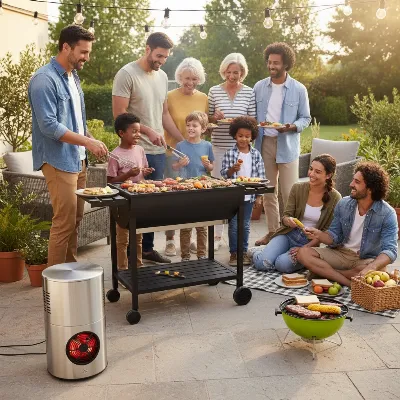 Variety of charcoal grills on display including smokeless, rectangular, and mini models for comparison
Comparison Table: Popular Charcoal Grill Types
Choosing among the various charcoal grill types depends heavily on your specific needs and grilling environment. Here’s a quick overview to help you differentiate between some of the most popular options available on the market today.
| Feature | Smokeless Charcoal Grill | Charcoal Grill with Fan | Rectangular Charcoal Grill | Mini Charcoal Grill |
|---|---|---|---|---|
| Advantages | Reduced smoke output, often compact | Faster ignition, better temperature control | Large cooking area, great for crowds | Highly portable, ideal for small spaces |
| Disadvantages | Higher price, requires careful cleaning | Needs power source, potential fan noise | Bulky, less portable, requires more space | Limited cooking area, not for large groups |
| Best For | Urban dwellers, balconies, controlled environments | Beginners, those desiring precise heat, quicker cooking | Large families, entertaining, backyard parties | Solo grilling, camping, picnics, tailgating |
How to Choose Your Perfect Grill
Selecting the ideal grill requires a thoughtful assessment of your grilling habits, space, and budget. Whether you lean towards the convenience of gas or the flavor of charcoal, making an informed decision will ensure years of satisfying barbecues. Consider these critical factors before making your purchase to find a grill that perfectly matches your lifestyle.
Determine Your Needs
Before even looking at models, assess your grilling frequency, the number of people you typically cook for, and whether portability is a priority. Do you host large backyard parties, or are you usually grilling for a small family? Your answers will dictate the size, type, and features necessary for your ideal grill.
- How often do you plan to grill, and for how many people?
- Is portability crucial for your grilling lifestyle?
- What is your realistic budget for a new grill?
Material Matters
The durability and longevity of your grill largely depend on its construction materials. Stainless steel or cast iron grates are often preferred for their heat retention and resilience. Inspect welds, bolts, and overall frame stability. A well-constructed grill made from high-quality materials will withstand the elements and frequent use, providing a better return on your investment.
> “Investing in a grill with robust, rust-resistant materials like 304-grade stainless steel for the body and cast iron grates will significantly extend its lifespan and performance.” – John Davis, BBQ Equipment Specialist
Size and Design
Match the grill’s dimensions to your available grilling space, whether it’s a sprawling patio or a compact balcony. Look for user-friendly designs that include features like side tables, tool hooks, and easy-to-clean grease trays. For charcoal grills, adjustable charcoal grates are a plus, while gas grills benefit from integrated thermometers and multiple burners.
Brand and Price
Opt for reputable brands known for their quality, customer service, and warranty offerings. While it’s tempting to go for the lowest price, a slightly higher initial investment often translates to a more durable and efficient grill in the long run. Compare prices from various retailers to find the best deal without compromising on build quality or essential features.
Master Your Grill: Usage and Maintenance Tips
Proper usage and consistent maintenance are key to extending the life of your grill and ensuring optimal performance, regardless of whether you own a gas or charcoal model. A well-maintained grill not only lasts longer but also cooks food more efficiently and safely. By following a few simple steps, you can keep your grill in top condition, ready for countless delicious meals.
Quick Charcoal Lighting
For charcoal grill owners, mastering the art of lighting charcoal quickly and efficiently is essential. Use a charcoal chimney starter for the fastest and cleanest method; simply place newspaper or a fire starter cube at the bottom, fill with charcoal, and light. Avoid lighter fluid if possible, as it can impart an unwanted chemical taste to your food.
Post-Grill Cleaning
Always allow your grill to cool completely before attempting to clean it. For both gas and charcoal grills, use a wire brush to scrape off any food residue from the grates. For charcoal grills, empty the ash catcher regularly to prevent buildup and maintain proper airflow. For gas grills, clean the burner covers and drip tray periodically to prevent grease fires.
Proper Storage
When not in use, store your grill in a dry, well-ventilated area, away from direct sunlight and harsh weather. A fitted grill cover is an excellent investment to protect it from dust, moisture, and pests. For metallic components, especially on charcoal grills, applying a thin layer of cooking oil can help prevent rust and corrosion during long storage periods.
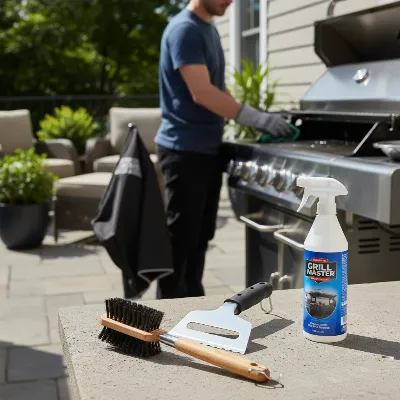 Essential grill maintenance tips including cleaning tools and protective cover for longevity
Conclusion
Deciding between a gas grill and a charcoal grill ultimately comes down to your personal grilling philosophy. If convenience, speed, and precise temperature control are your top priorities, a gas grill will likely be your best companion. However, if you crave that distinctive smoky flavor, high searing temperatures, and are willing to invest a little more time and effort, a charcoal grill will undoubtedly deliver an unparalleled culinary experience. Consider your needs, explore the diverse types available, and apply smart usage and maintenance practices. The right grill, properly cared for, promises endless opportunities for delicious outdoor cooking. Which grill will you choose to elevate your barbecue game in 2026?
Frequently Asked Questions
Is the flavor difference between gas and charcoal grills really noticeable?
Yes, most grill enthusiasts agree there is a distinct flavor difference. Charcoal grills impart a more intense, smoky, and often richer flavor due to the combustion of charcoal and drippings hitting the hot coals. Gas grills provide a cleaner, less smoky flavor profile, which some prefer for its purity or for showcasing the natural taste of the food itself.
Which type of grill is more environmentally friendly?
Both gas and charcoal grills have environmental impacts. Gas grills, especially those using natural gas, tend to produce fewer greenhouse gas emissions than charcoal, which releases carbon monoxide and particulate matter. However, the production of gas canisters and the sourcing of natural gas also have environmental footprints. Some charcoal options, like lump charcoal from sustainable sources, can be considered more eco-friendly than briquettes with chemical additives.
